Outreach and Enrollment Department
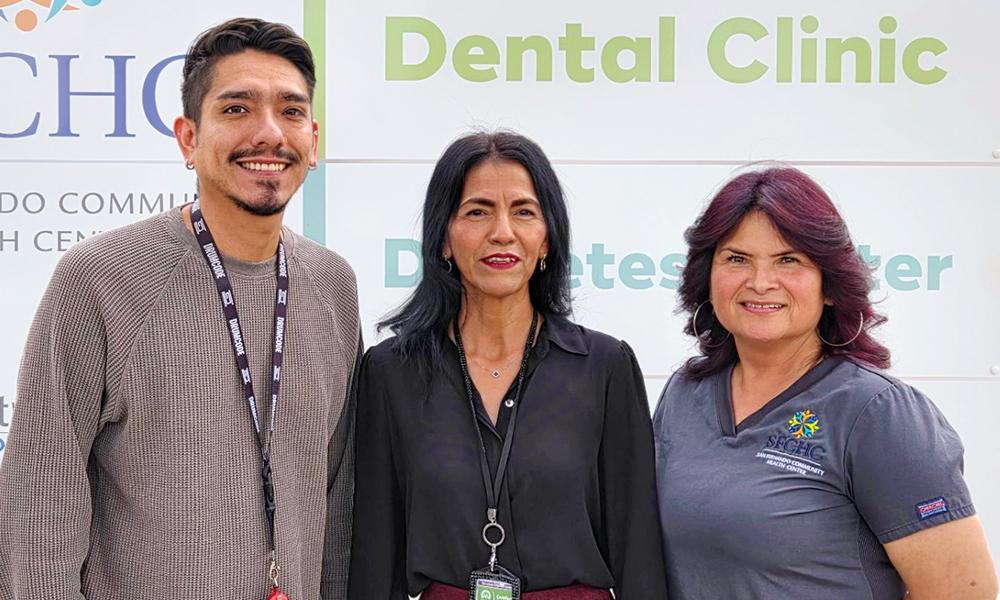
SFCHC’s Outreach and Enrollment Department offers a helping hand, guiding individuals and families through the steps needed to get covered and stay connected to care.
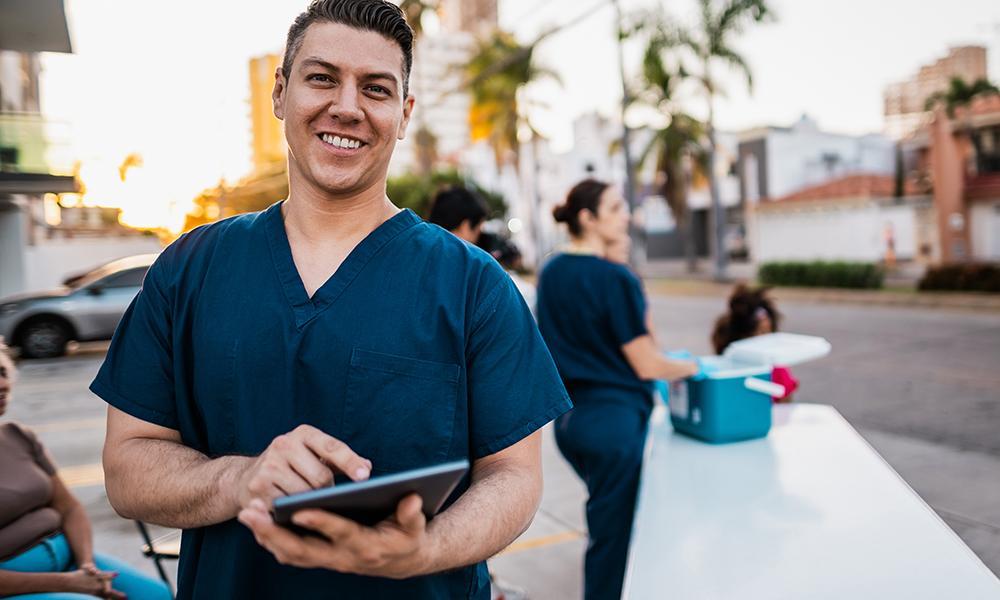
SFCHC’s field medicine team has joined 16 other Los Angeles County field medicine teams that serve people living without shelter. Funded in part by L.A. Care’s and Health Net’s community benefits programs, these teams collaborate with the Los Angeles County Department of Health and the Department of Housing Services to deliver medical care, intensive care management and housing support services in nine regions of the county.
The Los Angeles Homeless Services Authority’s 2026 homeless count estimates that 10,299 people are experiencing homelessness in Service Planning Area 2, which includes the San Fernando and Santa Clarita valleys. Of these, 4,309 are experiencing chronic homelessness. Five days a week, the SFCHC team brings medical care, case management and housing transition support services directly to people living on the street.
From January through June 2026, the SFCHC field medicine team completed 1,124 clinical visits with 251 individuals. The five most common medical conditions include hypertension, uncontrolled type 2 diabetes and wound care, though the team encounters a multitude of medically urgent conditions. The team coordinates care each week with the Department of Health Care Services, Hope the Mission, North Valley Caring Services, Unitarian Community Church and Saint Matthews Borromeo Catholic Church, alongside many other local community and county organizations.
While many people living on the street qualify for Medicare or Medi-Cal coverage, receiving care in a traditional medical office can present significant barriers, including transportation difficulties, concerns about waiting room hygiene and limited access to a cellphone. Through advocacy by USC Street Medicine and its collaborators, the California Department of Health Care Services established a pathway for street medicine providers contracted with Medi-Cal managed care plans to deliver covered services directly to patients, regardless of their assigned primary care provider. This change expanded access to care for people living without shelter.
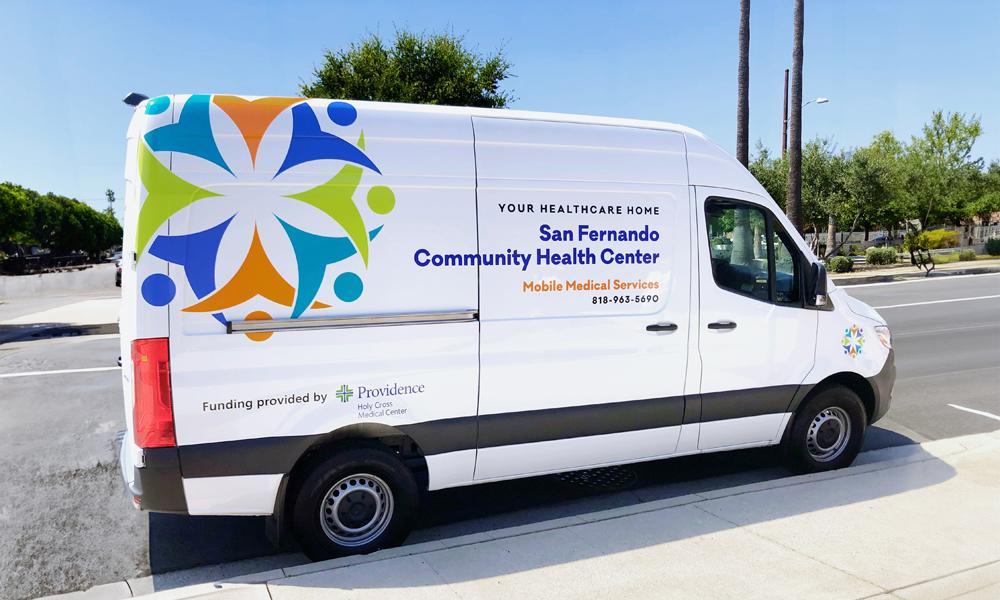
Working from a branded van equipped with basic medical supplies, SFCHC’s four-person field medicine team drives to designated locations in Sylmar, Pacoima, North Hills, Panorama City and North Hollywood five days a week. The team includes a nurse practitioner, medical assistant, case manager and community health worker, all trained in field medicine standards of care. Housing transition support services are coordinated by SFCHC’s new Housing Navigation and Tenancy Support Services team.
Using evidence-based outreach and engagement strategies, SFCHC’s field medicine team provides:
“Field medicine helps break down the complex health inequities of homelessness by directly connecting individuals and families with care and support in their own environment,” said Heidi Lennartz, director of special projects for SFCHC. “By bringing healthcare directly to those on the streets, we are fostering relationships of trust and caring, and the hope that change is possible.”
For more information, please contact William Garcia, program manager, at 747-832-0211 or wgarcia@sfchealthcenter.org.